REVI (CAM Thesis Project)
REVI: Redefining The UX in Automotive Infotainment Systems
Role
Product Designer
Industry
Automotive HMI
Duration
5 Months

Project Brief:
REVI aims to create a safer driving experience by balancing technology integration with responsible design. Through quantitative surveys, user interviews, and a competitive market audit during the research and discovery phases, the user needs were concluded to be a drastic reduction in menu complexity, optimized glance duration during critical navigation tasks, and an interface that minimizes information overload while keeping drivers focused on the road.
Problem:
In the automotive industry, there has been a wide shift toward integrating large touchscreens to meet modern tech demands. While this tech is intended to assist drivers, it has become counterintuitive, resulting in unfriendly, buggy user interfaces that make driving dangerous and highly distracting. Distracted driving accounts for 27% of all vehicle accidents annually, and looking down at a screen reduces a driver's reaction speed. Furthermore, with the average infotainment display size growing to 12 inches—an 80% increase since 2018 —drivers using typical touch or voice features remain mentally and visually distracted for more than 40 seconds when executing simple tasks like setting a destination.
Context:
Target Users: Drivers across all age groups, specifically spanning tech-savvy New Car Buyers who demand elegant, personalized, and efficient layouts, alongside traditional Car Enthusiasts who prefer minimalist, older cockpits and reject clunky technology that strips away the core nature of driving.
User Needs: Drivers need a "one-tap" layout for quick navigation and media access to lower mental workload, larger touch targets paired with borderless icons to improve task completion speeds, and automated systems that dynamically predict routines based on driving habits.
Constraints: Industry-wide lack of standardized guidelines for in-vehicle infotainment systems (IVIS) , paired with poor UX across numerous cabins in vehicle models.
Role: HMI and UX/UI Designer responsible for end-to-end quantitative/qualitative research, task flows, design system architecture, visual design, and interactive prototyping.

Process:
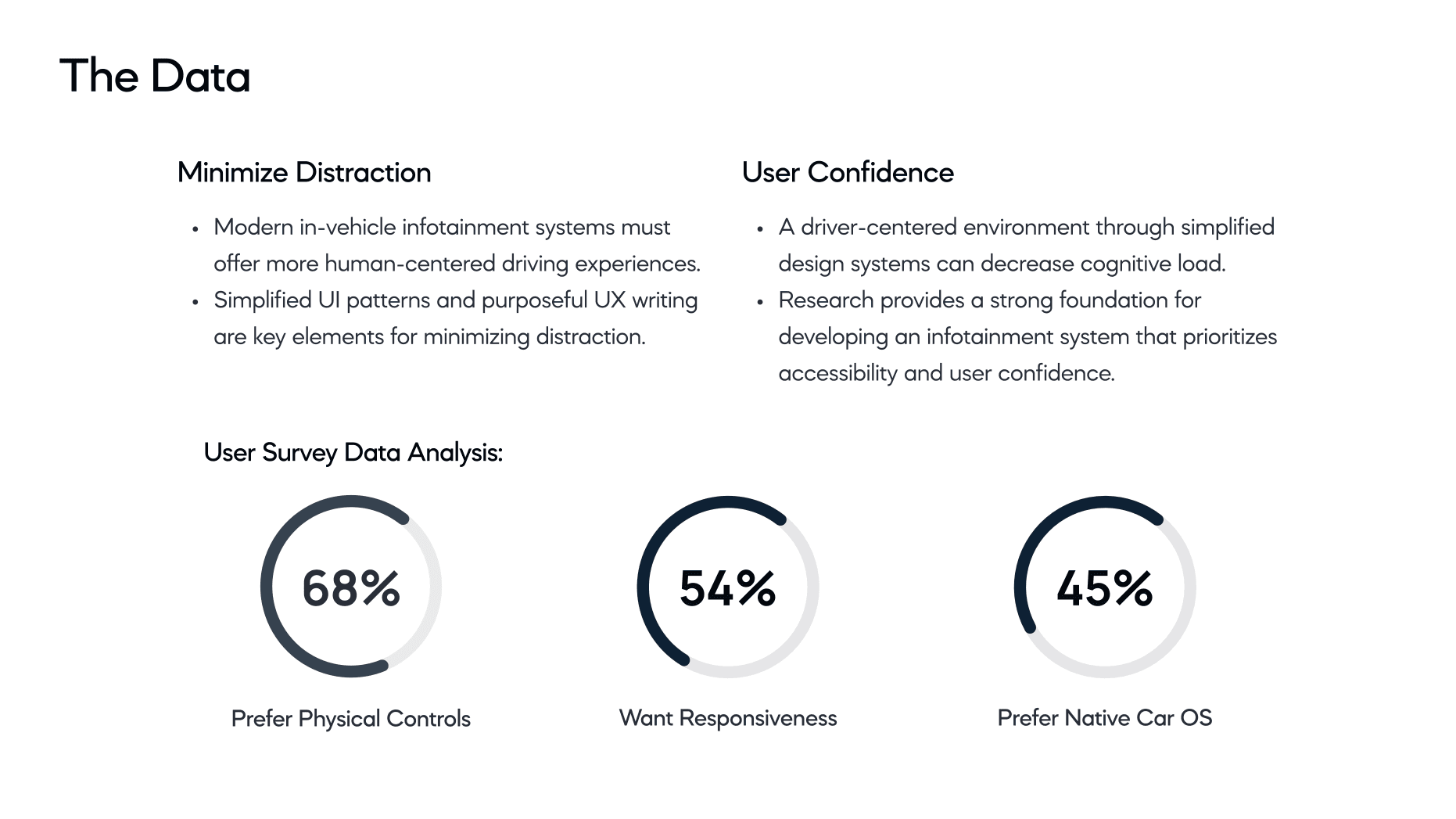
Research: Surveyed 32 participants, conducted qualitative depth interviews, and consulted with former automotive UX design experts to validate and analyze user safety patterns.
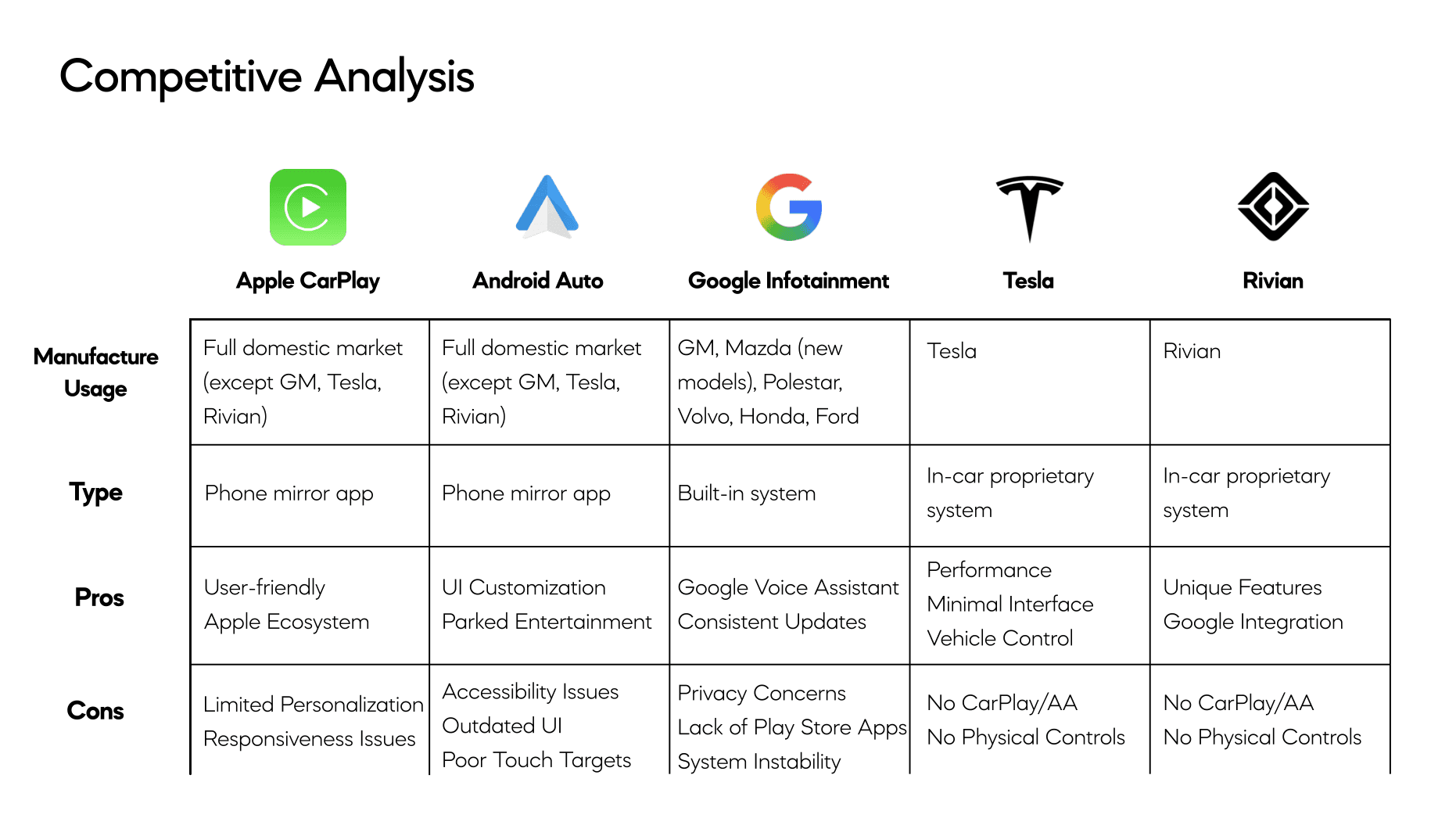
Competitive Analysis: Audited domestic market applications (Apple CarPlay, Android Auto, Google Infotainment, Tesla, and Rivian) to evaluate ecosystem pros and cons.
User Flow Mapping: Established a clear structural user flow hierarchy through three core layout paths from startup (Cards, Navbar, Status Bar).
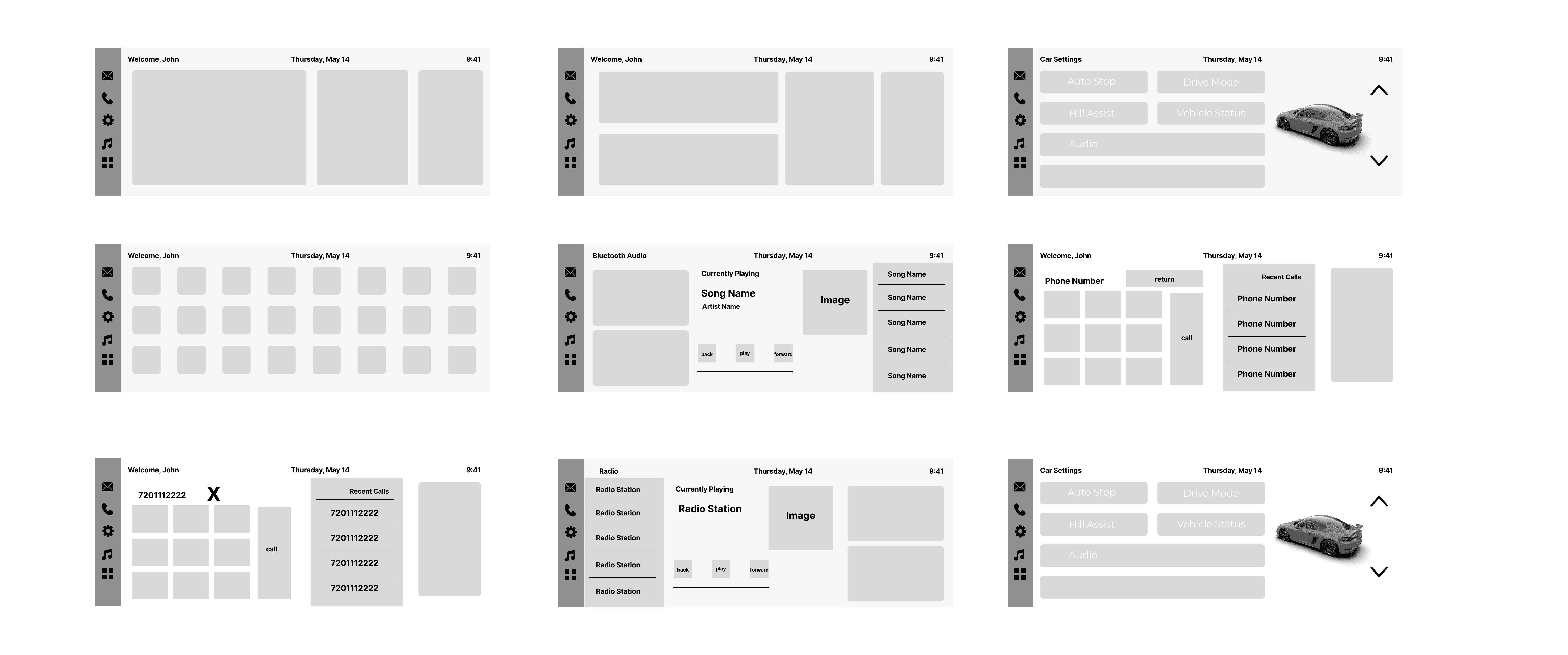
Wireframing: Sketched and prototyped dashboard layout and other left-to-right information hierarchy screens.
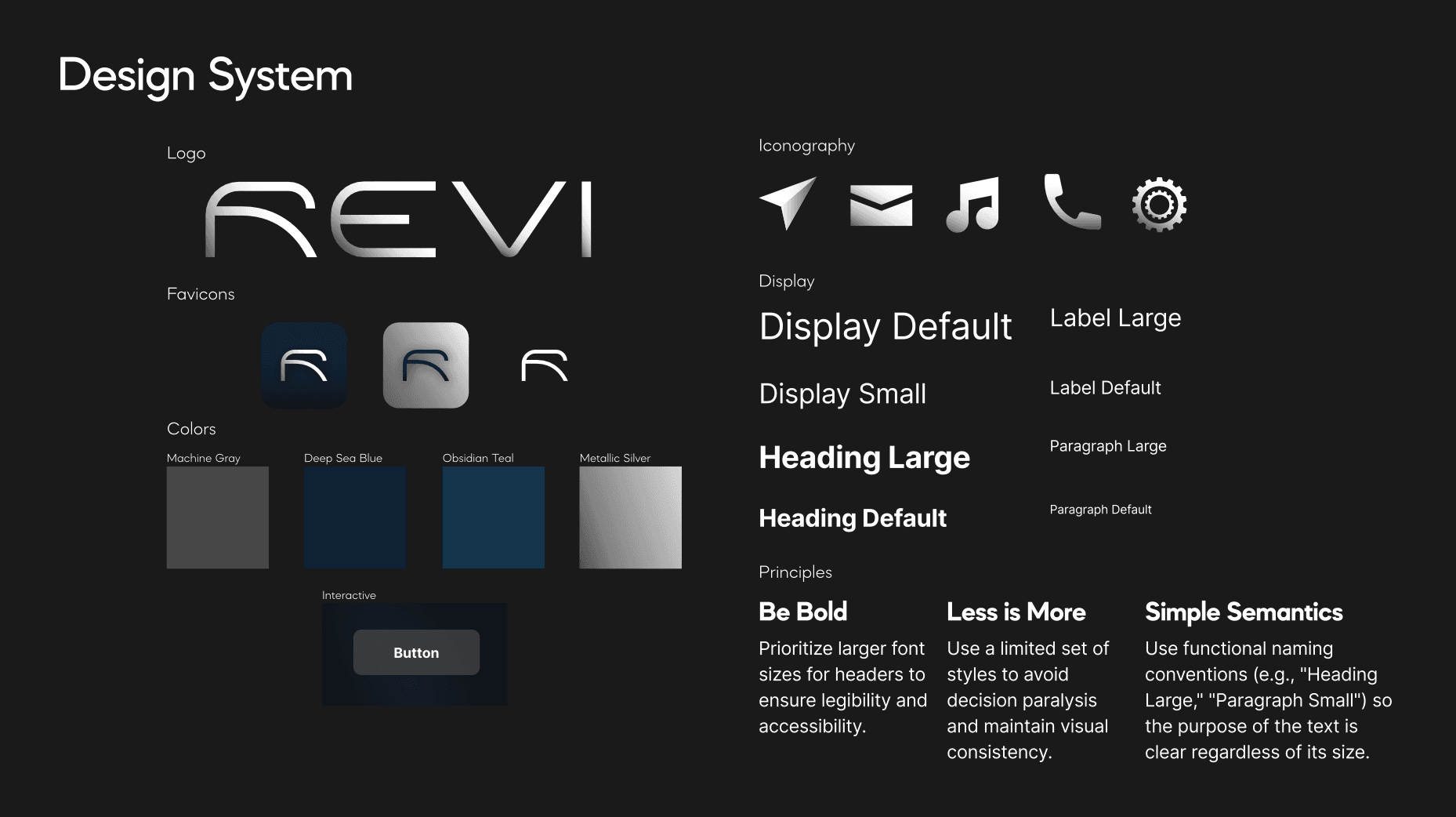
Visual Design: Developed a bold, minimal UI system with rich colors, consistent icons, and a seamless onboarding experience in Figma. Developed a bold geometric design system with high-contrast colors, paired with custom borderless icons designed from scratch in Figma.

Proposal:
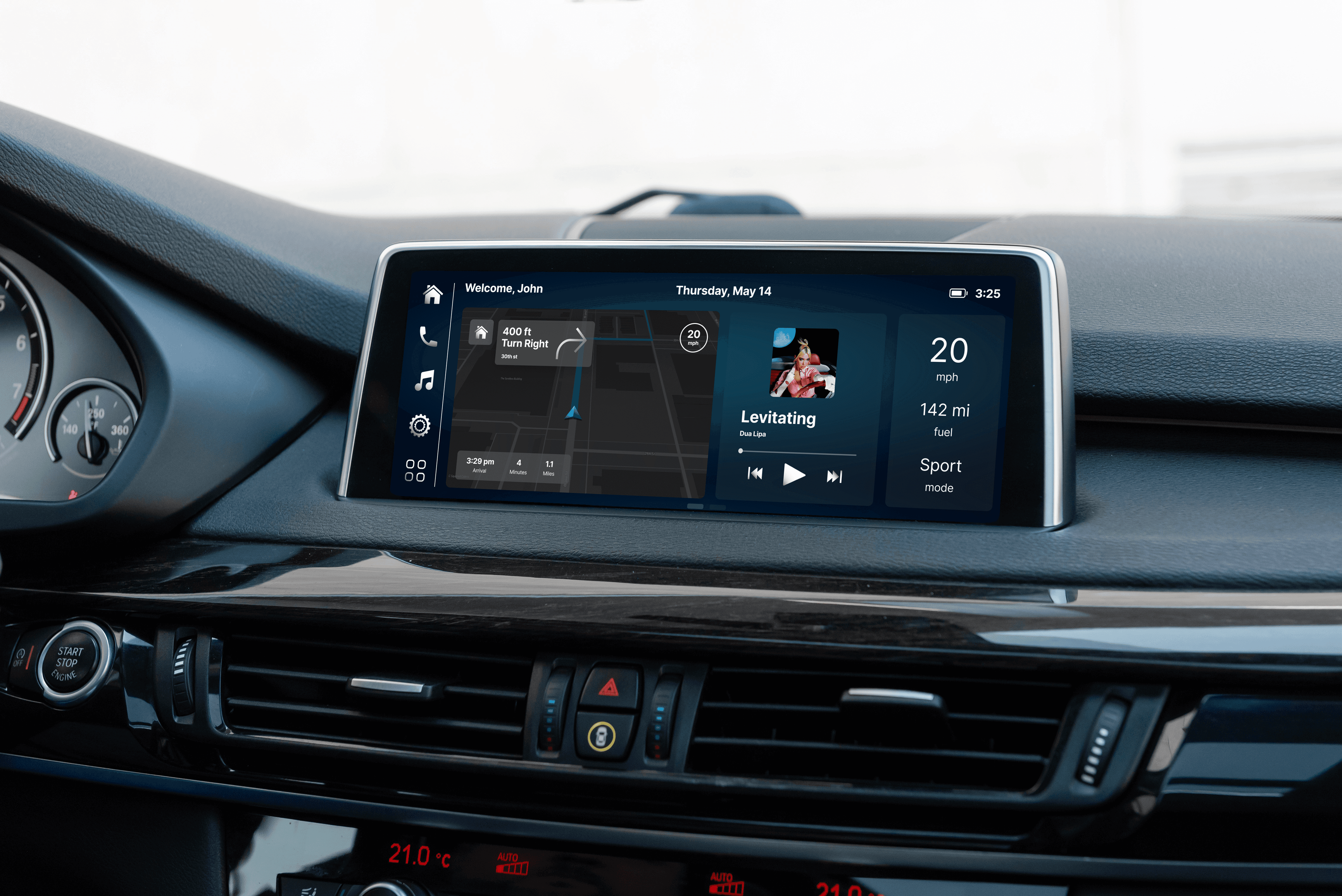
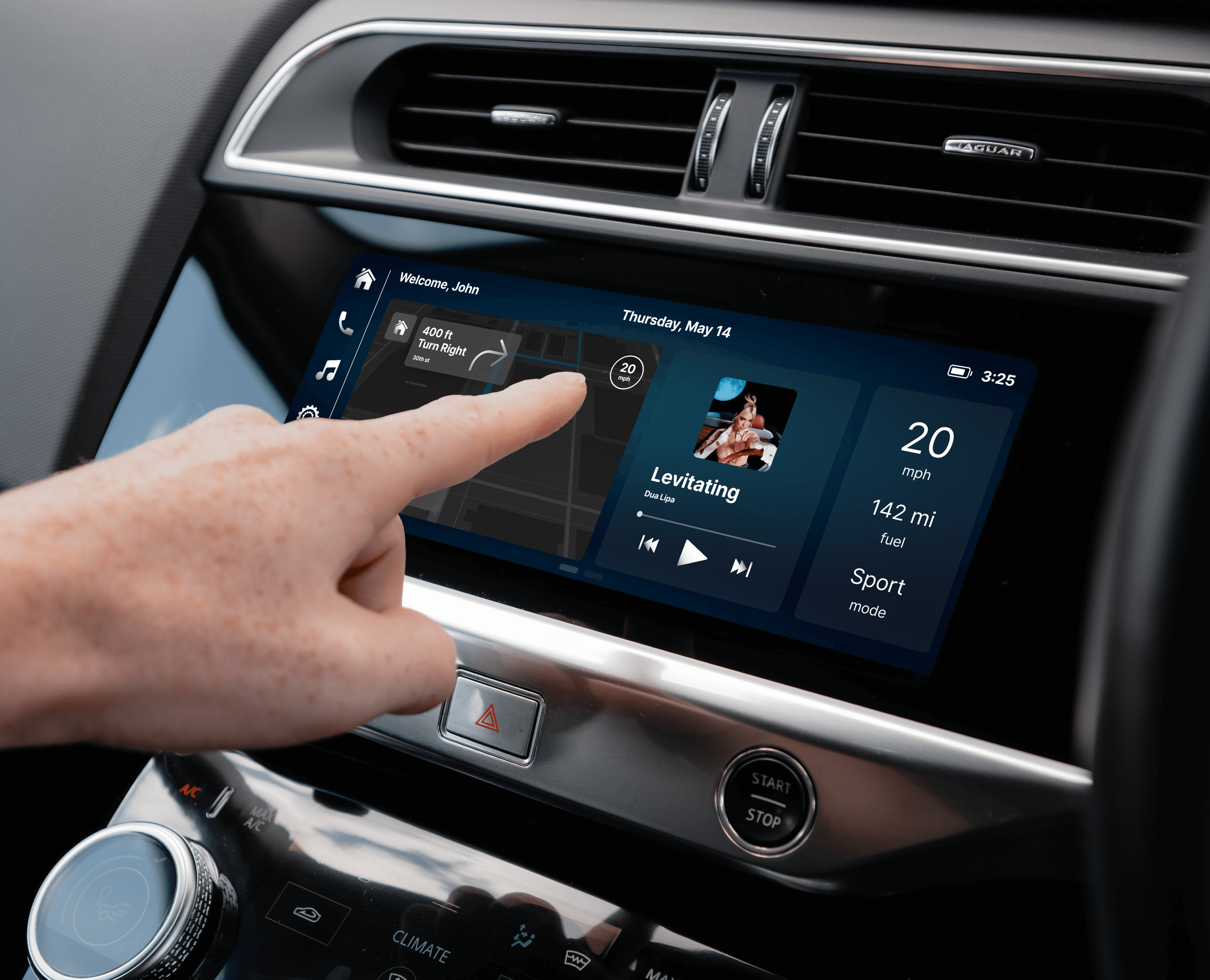
REVI is an alternative to high-cost proprietary systems. While aimed to compete against smartphone mirroring (Apple CarPlay/Android Auto), numerous brands have recently shifted away from third-party for bespoke, built-in interfaces. REVI promotes a safer driving environment to users by offering a streamlined user interface. By making every task one-click away, it reduces “eyes off the road” time by limiting user inputs. REVI focuses on proper visual hierarchy and accessibility, which reduces cognitive load while driving, offering users a more intuitive, stress-free driving environment that makes it safer to use on the road.

Summary:
REVI (Revolutionized Visual Interface) is an in-vehicle infotainment system (IVIS) concept designed to maximize driver safety by reducing glance duration and cognitive load. Leveraging modern user-centered principles and evidence-based layout patterns, it delivers deep feature utility without exceeding critical visual attention thresholds. Drivers are stuck with modern technology that follows no strict UX guidelines that present this shifting industry landscape toward overly complex digital control systems increase eyes-off-road times and diminish user confidence. Quantitative research revealed that 54% of drivers deem minimal clicks to be extremely important , 55% prefer mirroring platforms over native configurations , and standard icon frames significantly slow task completion speeds. Through primary user testing and expert consultation, REVI solves these core safety gaps with:
Reducing information overload
Clear iconography and contrast so drivers reduce eyes-off-the-road time
Customization layout tailored to each driver's unique preferences
REVI provides a tailored driving experience with three main features:
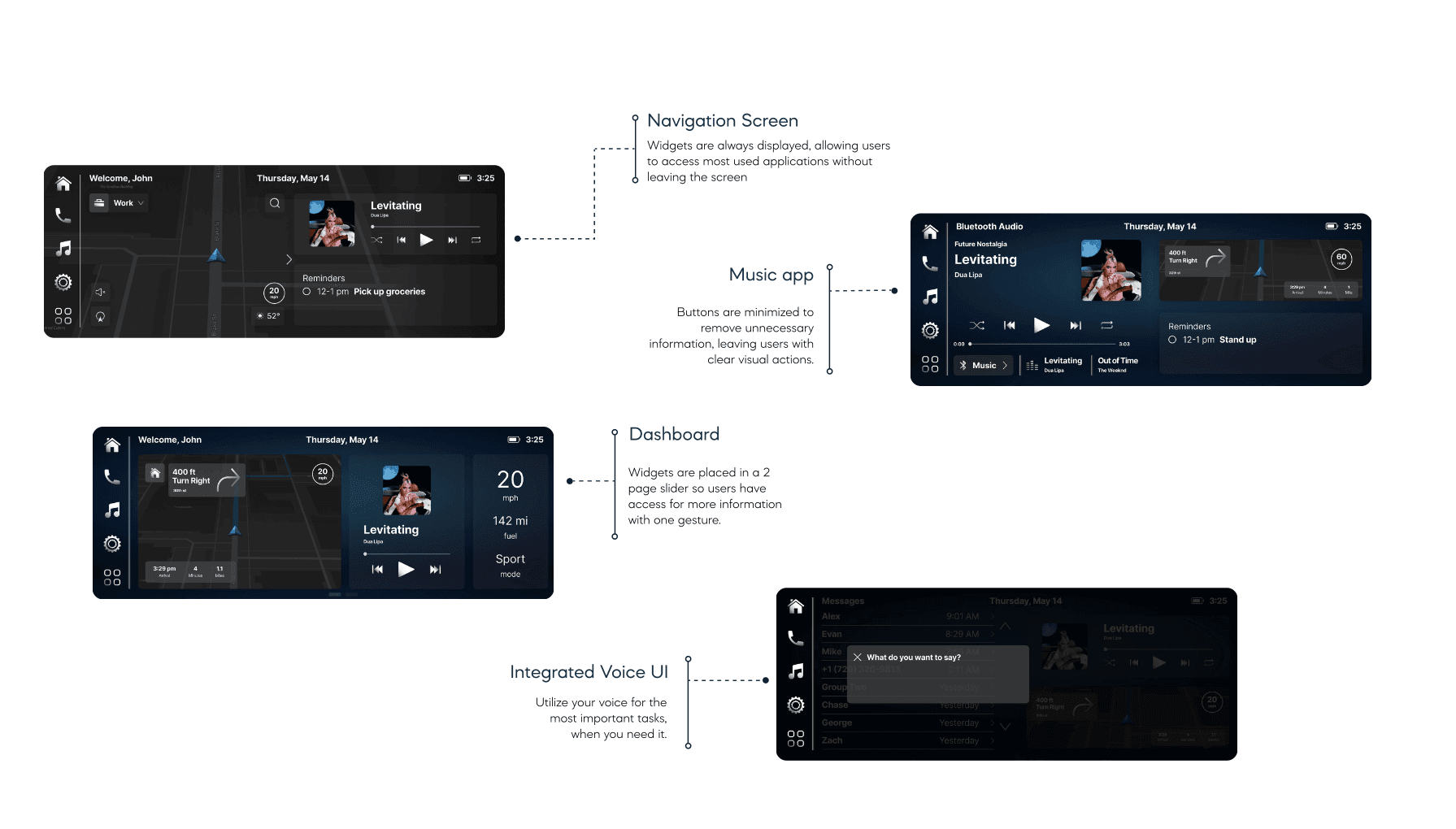
Customizable Dashboard - A two-page slider that provides immediate access to
custom widgets with a single gesture.
Centralized App Drawer: Take over your vehicle functions with a hub designed
for quick accessibility of applications in one page.
On-screen Real-time Data: Drivers will never lose a sense of their environment.
Impact:
REVI demonstrates how human-centered HMI design can transform vehicle technology into highly intuitive, zero-distraction driving cockpits. By re-engineering the interaction between car and driver, REVI:
Optimizes a user flow while driving.
Proves that complex digital services can live in harmony without jeopardizing human safety.
Other projects
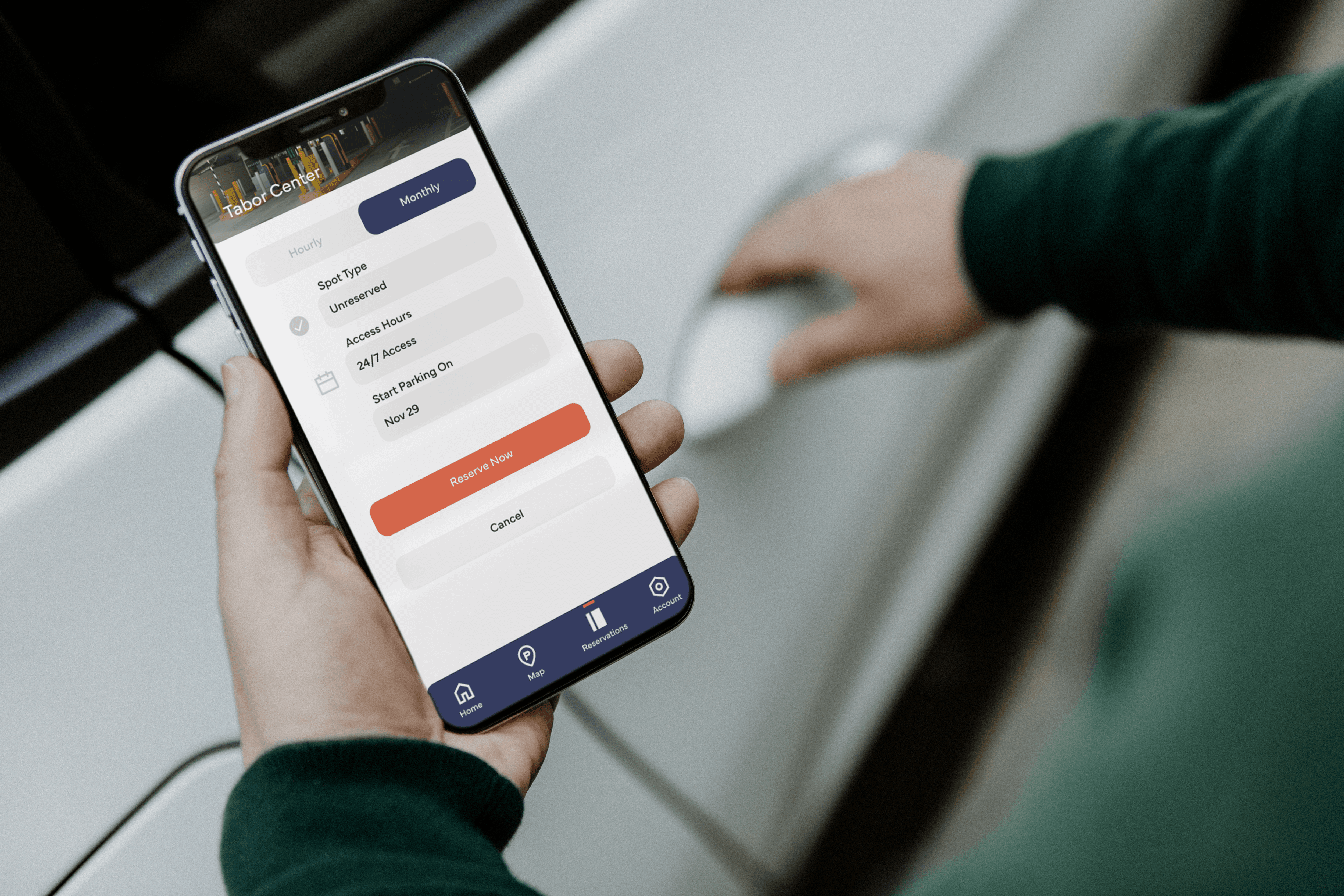
ParkPulse Mobile App
ParkPulse: Your mobile parking companion with live data and hot spots personalized to your commute.

EKARA (Nissan Reimagined) Brand Guidelines
Iconic Meets Innovation: The future blend of EV and enthusiasts
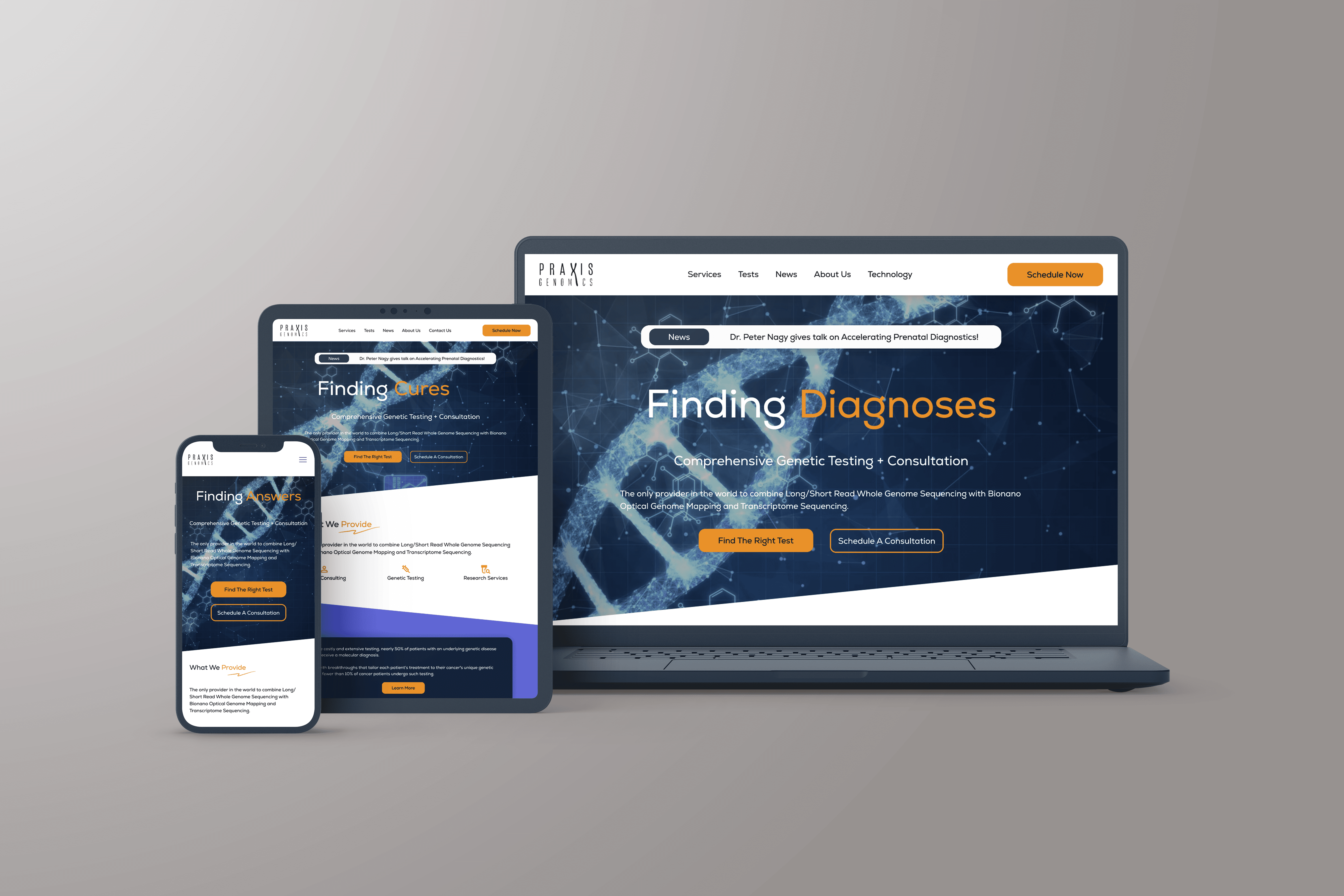
Praxis Genomics
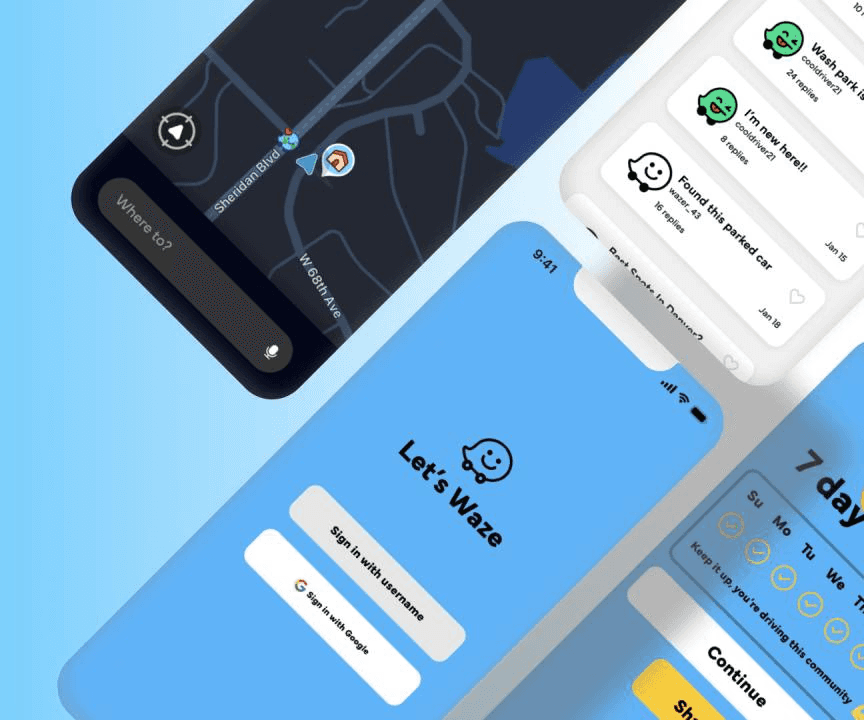
Waze Creative Concept
Your favorite navigation app, revitalized with new features to make traveling fun and more enticing. Featuring new community forums that keep the fun and safe in driving.